
Chartering is easier when you know what you're choosing between. From an eight-seat turboprop for a Keys weekend to an ultra-long-range cabin that crosses the Atlantic nonstop, here's what each class does best — what it seats, how far it flies, and when it's the smart choice — from the desk of a Tampa Part 135 operator.
The right aircraft is the smallest cabin that does your trip comfortably — paying for range and space you won't use is the most common charter mistake. Our flight planner prices every class side by side on your route; below is what those classes actually mean.
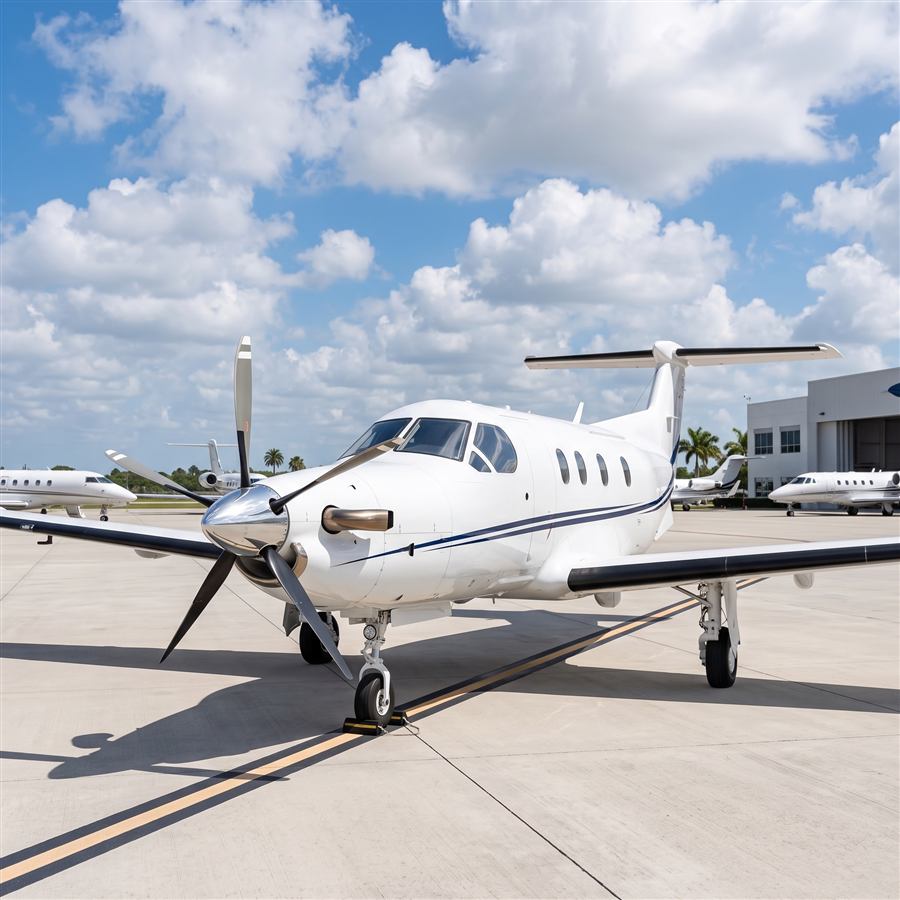
The smart money for short hops. Turboprops use less fuel, land on the short strips jets can't touch — the Keys, 30A, island fields — and still cruise at highway-erasing speed. For trips under about 90 minutes, they're often the lowest-cost way to fly private without giving up cabin comfort.

The Citation Mustang is the aircraft we own, fly, and maintain in-house on our FAA Part 135 certificate — ARGUS Gold standards, our own crews, our own hangar at KTPA. Four passengers, true jet speed, and the most accessible jet pricing in the fleet. For 1–3 people on a 1–2 hour leg, nothing beats it.
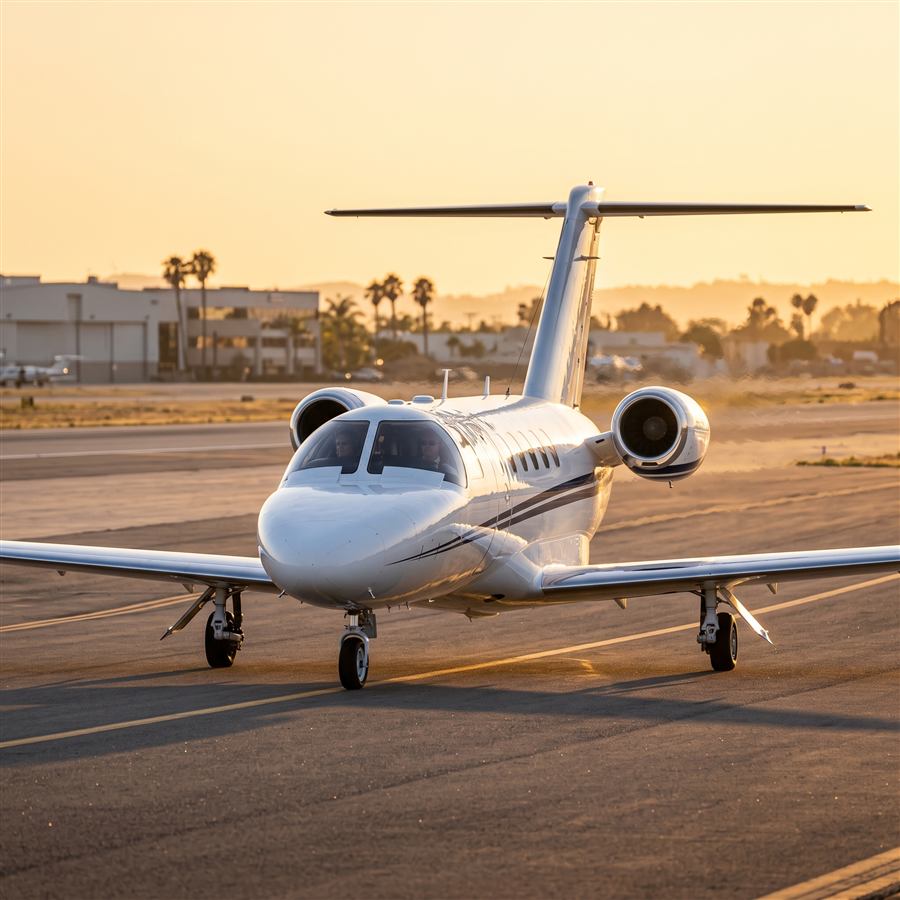
The workhorse of Southeast charter. Light jets carry six to eight passengers at 400+ knots — Atlanta, Nashville, or Charleston nonstop with baggage for everyone. If most of your flying is two to three hours with family or a small team, this is the class you'll live in.
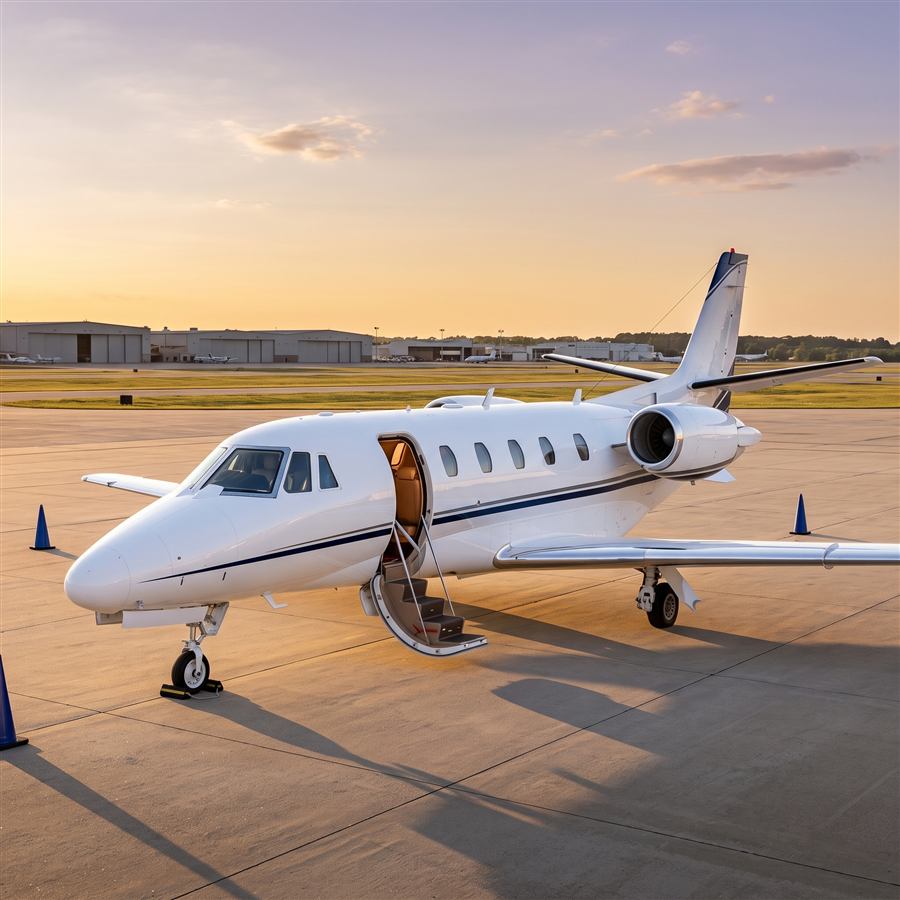
The first class where you stand up and walk around. A midsize cabin adds a real lavatory, more baggage, and legs like Tampa–New York or Tampa–Dallas without a fuel stop. The sweet spot for most missions mixing business schedules and family comfort.
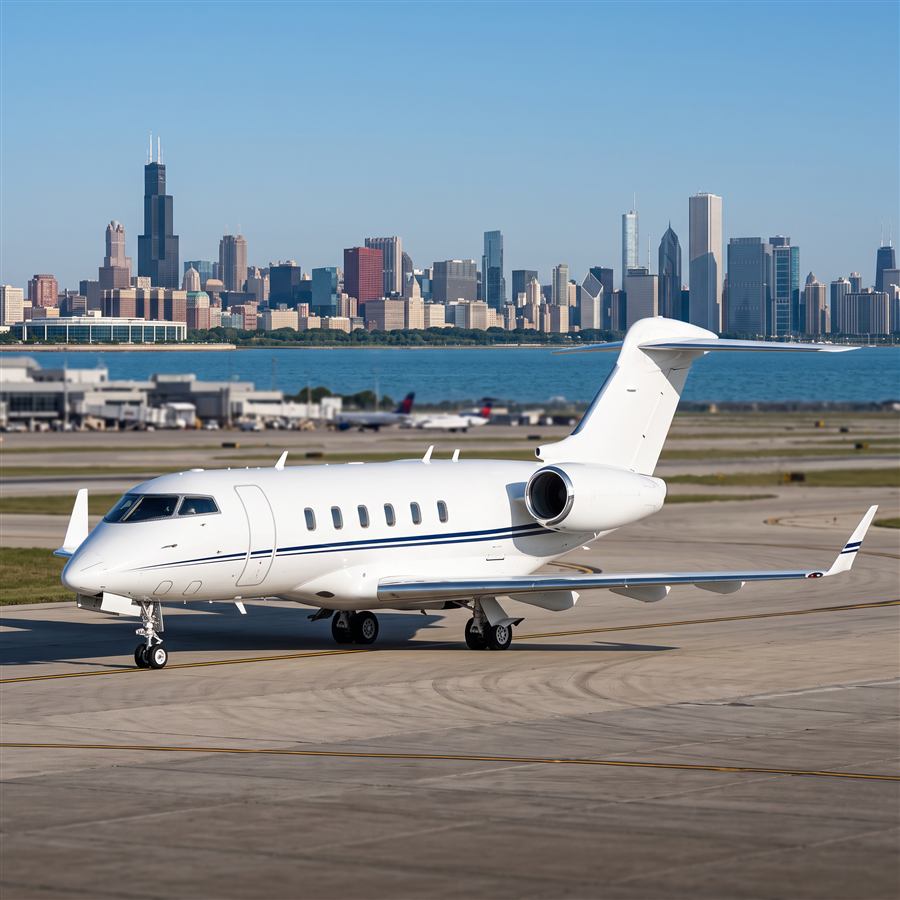
Coast-to-coast, nonstop. Super-mids pair a wide, stand-up cabin with transcontinental range and serious speed — Tampa to Las Vegas or Los Angeles without stopping, eight people in club seating with a full galley. Big-jet capability without big-jet cost.
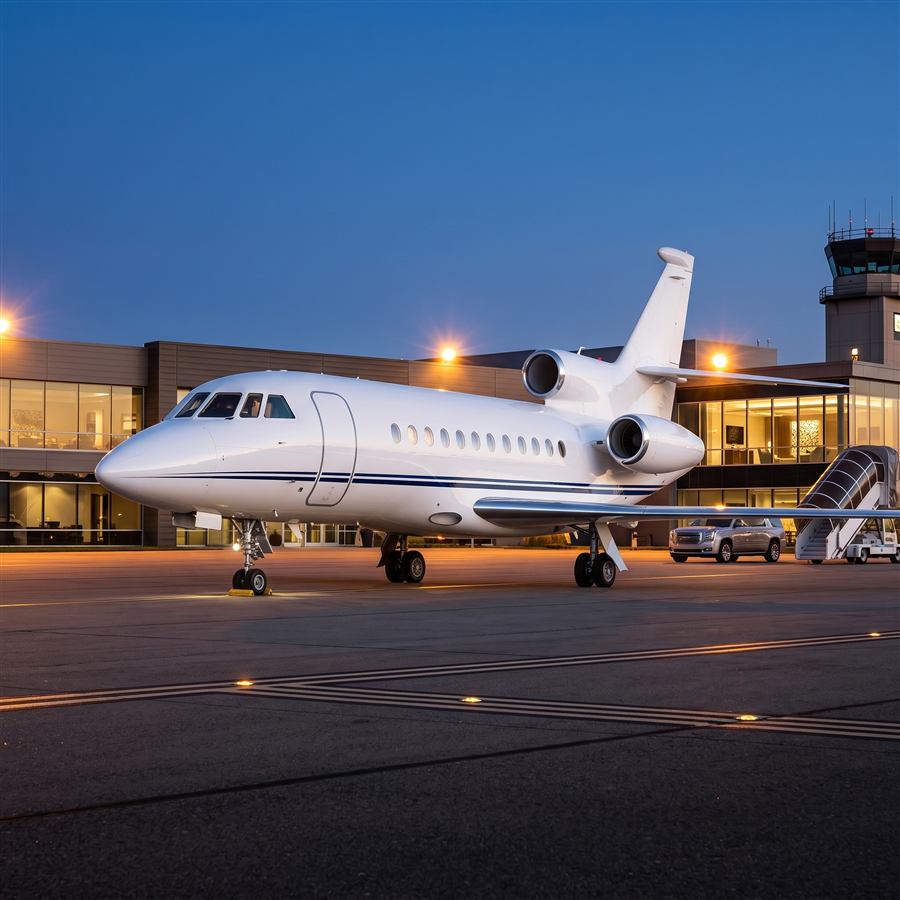
When the mission is big, so is the cabin. Heavy jets seat ten to fourteen with room to meet, dine, and rest — separate seating zones, full galley, often a dedicated cabin attendant. Nonstop to the West Coast, deep into South America, or across the Atlantic with one stop. Built for large groups and long days.
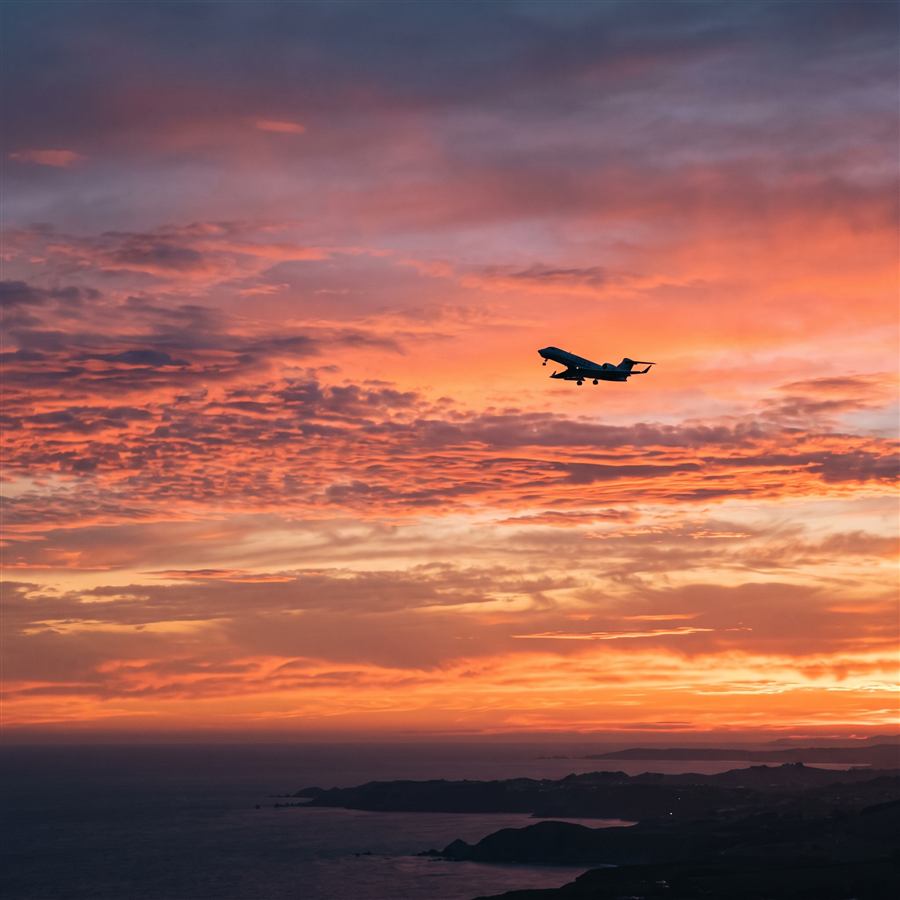
The intercontinental class. Ultra-long-range jets fly 12+ hours nonstop — Tampa to London, Geneva, or São Paulo — with full sleeping berths, shower options on some types, and cabins built for arriving rested. When the meeting is on another continent, this is how you get there ready.
Will Smith Aviation owns and operates the Citation Mustang on our own FAA Part 135 certificate — our crews, our in-house maintenance, our 24/7 operations desk. When your mission calls for a bigger cabin or longer legs, we source the right aircraft in any class through vetted partner operators, hold it to the same standards, and manage the entire trip from one phone number. You pick the destination; we pick the metal.
ARGUS Gold rated. FAA Part 135. Tell us the trip — passengers, dates, destination — and we'll recommend the right cabin and price it honestly, usually within the hour.